Vape eCommerce SEO: 238% Organic Revenue Growth, Zero Paid Ads
This vape brand could not run a single Google or Meta ad. Organic search had to carry the whole business. Here is the Shopify SEO playbook that turned it into the store’s biggest sales channel, step by step.
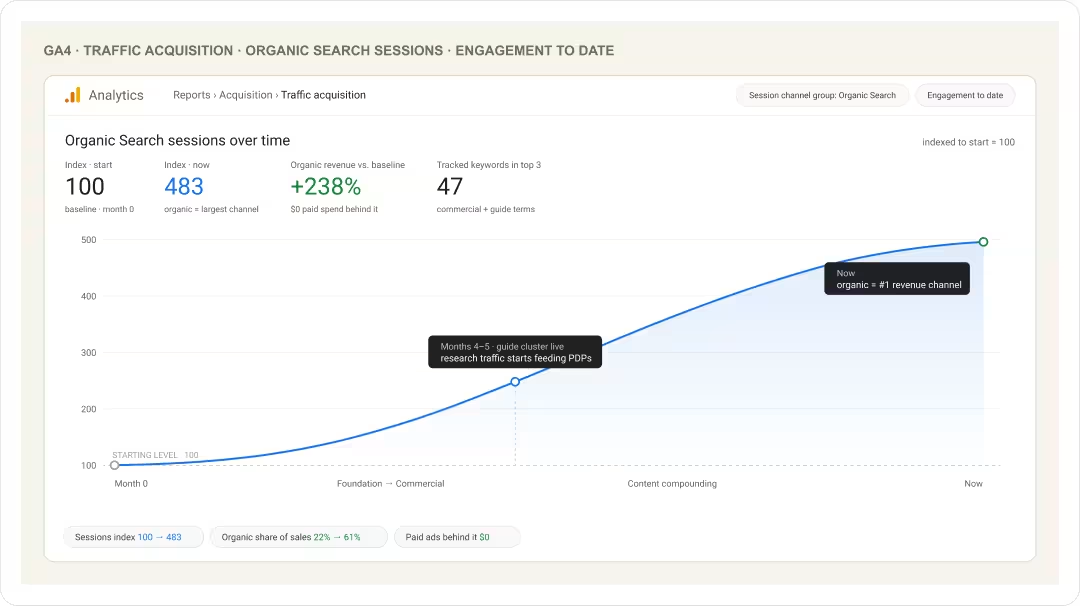
Organic sessions from baseline to today, a 238% revenue increase with zero paid ad spend.
Most eCommerce brands treat SEO as one channel among several. This vape store did not have that luxury. With paid advertising banned across every major platform, organic search was not a growth lever. It was the growth plan.
The store sold on Shopify with real products and real margins, but the site was built for browsing, not for ranking. Over the engagement I rebuilt the technical foundation, restructured the commercial pages, and added the content layer that a restricted niche needs to reach buyers early. Organic went from a minor contributor to the store’s single largest source of revenue.
About the Project
The client runs a vape and e-cigarette store on Shopify: disposables, pod kits, e-liquids, and accessories. The catalog was solid and demand for these products clearly exists in search. What did not exist was a site that Google could read, trust, and rank across the buying journey.
The one-channel reality
Before any tactics, the strategy was decided by a hard fact: this store cannot buy traffic. Google Ads prohibits e-cigarettes and vaping products. Meta bans them across Facebook and Instagram. TikTok does too. Several affiliate and influencer platforms refuse the category outright.
“Every other store in this space is fighting for the same organic results, because none of us are allowed to pay our way past each other.”
That constraint is also the opportunity. In an open niche a competitor can outspend you back to the top of the page overnight. Here, nobody can. Rankings earned through good SEO are defensible in a way they rarely are elsewhere, which is exactly why the fundamentals were worth doing properly.
The Shopify starting point
A full crawl and Search Console review showed the usual Shopify tax, plus a few niche-specific problems:
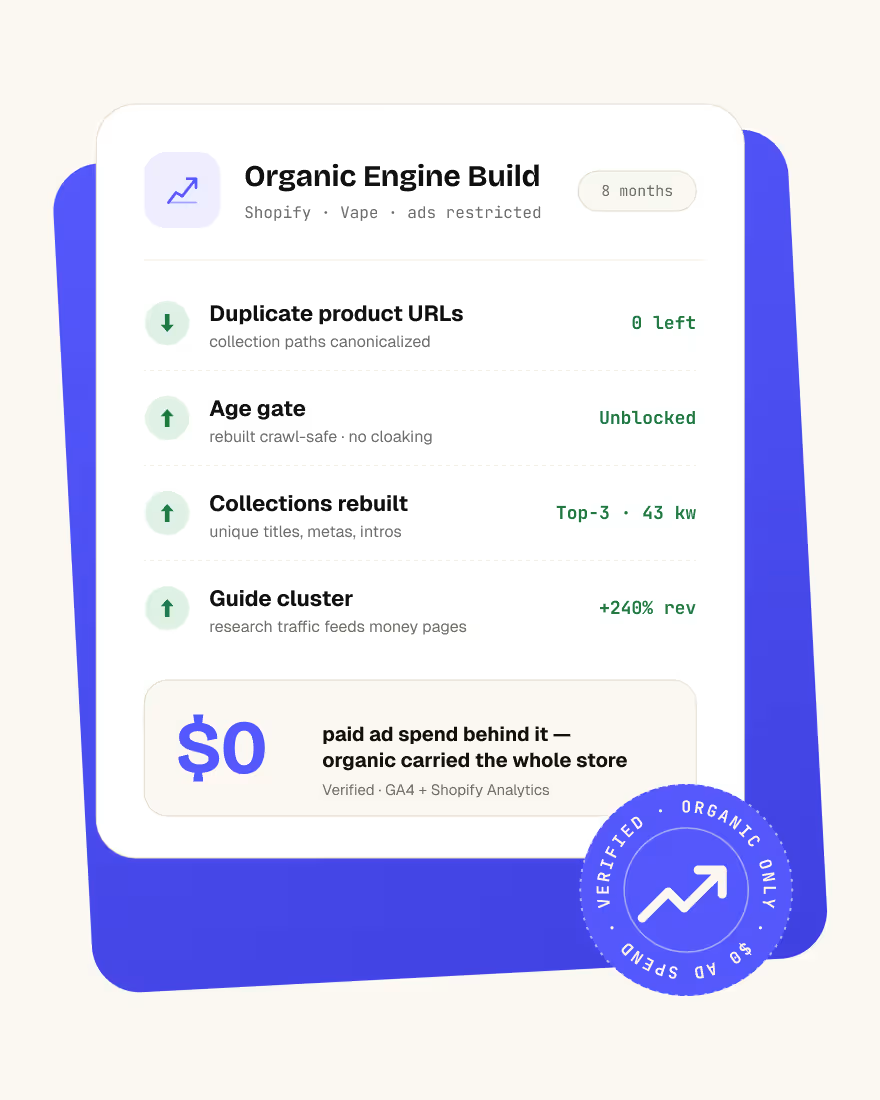
- Duplicate product URLs from Shopify’s /collections/x/products/y pattern, plus tag and sort-parameter variants.
- Thin, boilerplate collection descriptions that left commercial pages competing with each other.
- An age gate at risk of hiding page content from crawlers.
- Almost no informational content to capture research-stage demand.
The Challenges
Three things made this harder than a standard eCommerce SEO build.
How I Approached It
The plan was to build the organic channel like the core of the business, because it was. Four workstreams ran in sequence, front-loaded so the fastest revenue wins came first.
1Shopify foundation
First I made the store crawlable and de-duplicated. Canonicals were enforced across Shopify’s duplicate product paths, tag pages, and sort parameters. The age gate was reworked so it verifies visitors without blocking Googlebot. Pagination was cleaned up so deeper products stayed indexable, and schema (Product, Offer, BreadcrumbList, FAQPage) was deployed across templates.
2Commercial page architecture
Collections are the money pages on Shopify, so each one earned a unique title, meta, and intro that gave it a clear reason to rank. Overlapping collections were consolidated so they stopped cannibalizing each other. Product templates got focus-keyword logic and unique above-fold copy, and thin descriptions were rewritten or trimmed.
3Content & topical authority
A buyer searching how to choose a first device, or what a nicotine strength means, is exactly who no paid campaign in this niche can reach. A cluster of guide content captured that research-stage demand, built the topical authority that lifts commercial pages alongside it, and gave the store a compliant way into the top of the funnel.
4Compliant link & brand signals
With most outreach routes closed, authority came from where it legitimately could: genuinely useful guides that attract references, niche-relevant placements, and a stronger internal link structure pointing at the recovering money pages. Brand search grew alongside the content, which is its own trust signal to Google.
The Growth Timeline
The Outcome
With no ad spend and no bought links, organic revenue grew 238% against baseline and 47 tracked keywords moved into the top three. Here is the full picture.
Keyword movement
Positions across both layers, commercial terms buyers search with intent, and informational terms no paid campaign in this niche is permitted to serve.
Positions tracked via Ahrefs and Google Search Console.
Key Takeaways
- 1 When ads are banned, organic is the whole plan. It has to be resourced like a core channel, not a side project, because there is no paid backup.
- 2 Fix the Shopify foundation before scaling content. Duplicate URLs and crawl-blocking age gates cap your ceiling until they are cleared.
- 3 Restricted niches make rankings defensible. The rules that block your ads block your competitors’ ads too, so earned positions hold their value.
- 4 Content is the only legal way into the top of the funnel. Guides reach the research-stage buyers that ads in this niche never can.