
Shopify Collection Page SEO: 16 Pages Optimized for a New Alt Wine Brand
A new alt wine brand on Shopify had the right products but zero SEO infrastructure. No title tags. No meta descriptions. No schema. Duplicate FAQs across sibling collection pages. Here’s exactly how I fixed all 16 pages without rebuilding the theme.
How I identified the gap and built the keyword architecture.
A new Shopify store in the alt wine niche had the right products and a clean design, but zero SEO infrastructure. Title tags defaulted to product names. Meta descriptions were blank across all 16 pages. Collection pages had no keyword-targeted copy and identical FAQ blocks copy-pasted between sibling pages.
Shopify presents specific SEO challenges that don’t apply to standard CMS platforms. Collection pages and product pages can create near-duplicate content when multiple collections contain the same products. Schema markup isn’t natively supported on collection pages. And the default URL structure can split authority between competing pages.
The Challenge: A Store That Google Couldn’t Read
The store had three product lines, Simplé (non-alcoholic), Serenité (THC-infused), and Clarité (functional, pre-launch), each with parent collection pages, sub-collection pages by flavor (Blanc and Noir), and individual product pages. The URL architecture was there. The SEO signals were not.
Every page was a blank slate. No H1 tags were targeted. No meta descriptions existed. No schema of any kind had been implemented. And the internal linking was completely unplanned, with no systematic structure connecting the hub page to collections or collections to products.
The Shopify-Specific Problems
“The Simplé Blanc and Simplé Noir collection pages had identical FAQs, word for word. Same questions, same answers, just different page URLs. This is one of the most common and most damaging mistakes on Shopify stores with multiple product lines.”
Duplicate FAQ content across sibling collection pages sends a confusing signal to Google: two different URLs appearing to cover the same information. Combined with thin collection descriptions and no schema, these pages were essentially invisible to search despite the site having a clean design and strong products.
The Strategy: Collection-First, Schema-Always
The strategy prioritized collection page optimization above all else. In Shopify e-commerce, collection pages, not product pages, are the primary SEO lever. They carry category-level intent and rank for the high-volume transactional terms that drive meaningful traffic.
One keyword per collection page, enforced before any copy was written
A strict cannibalization matrix was built before a single word of copy was produced. /collections/simple targeted “alcohol free wine” (9,000/mo). /collections/simple-blanc targeted “non alcoholic white wine” (8,000/mo). /collections/simple-noir targeted “non alcoholic red wine” (12,000/mo). No two pages competed for the same primary term.
Schema via manual theme injection, since Shopify doesn’t do this natively
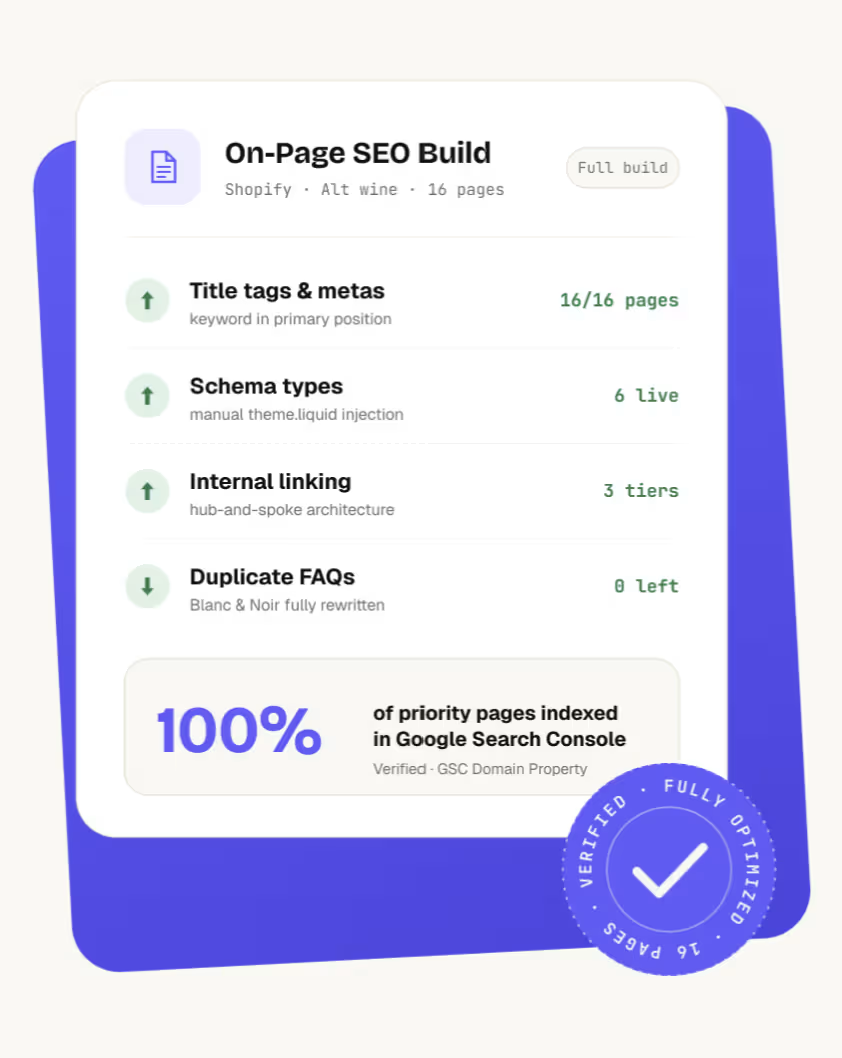
Shopify outputs basic Product schema automatically for product pages. Everything else, including CollectionPage, FAQPage, Organization, and WebSite, requires manual JSON-LD injection via the theme. Six schema types were implemented across 16 pages through Shopify’s theme.liquid file. Most Shopify stores have zero collection-level or FAQ schema. This gap is cheap to fix and has direct impact on both traditional rankings and AI Overview eligibility.
The Execution: Every Element, Every Page
All 16 pages received: keyword-targeted title tags (60 characters or fewer), meta descriptions (155 characters or fewer), H1 headings, body copy with keyword integration, page-specific FAQ sections (rewritten from scratch to eliminate duplication), and internal links using keyword-rich anchor text.
Results: 16 Pages Optimized, Indexed, and Tracking
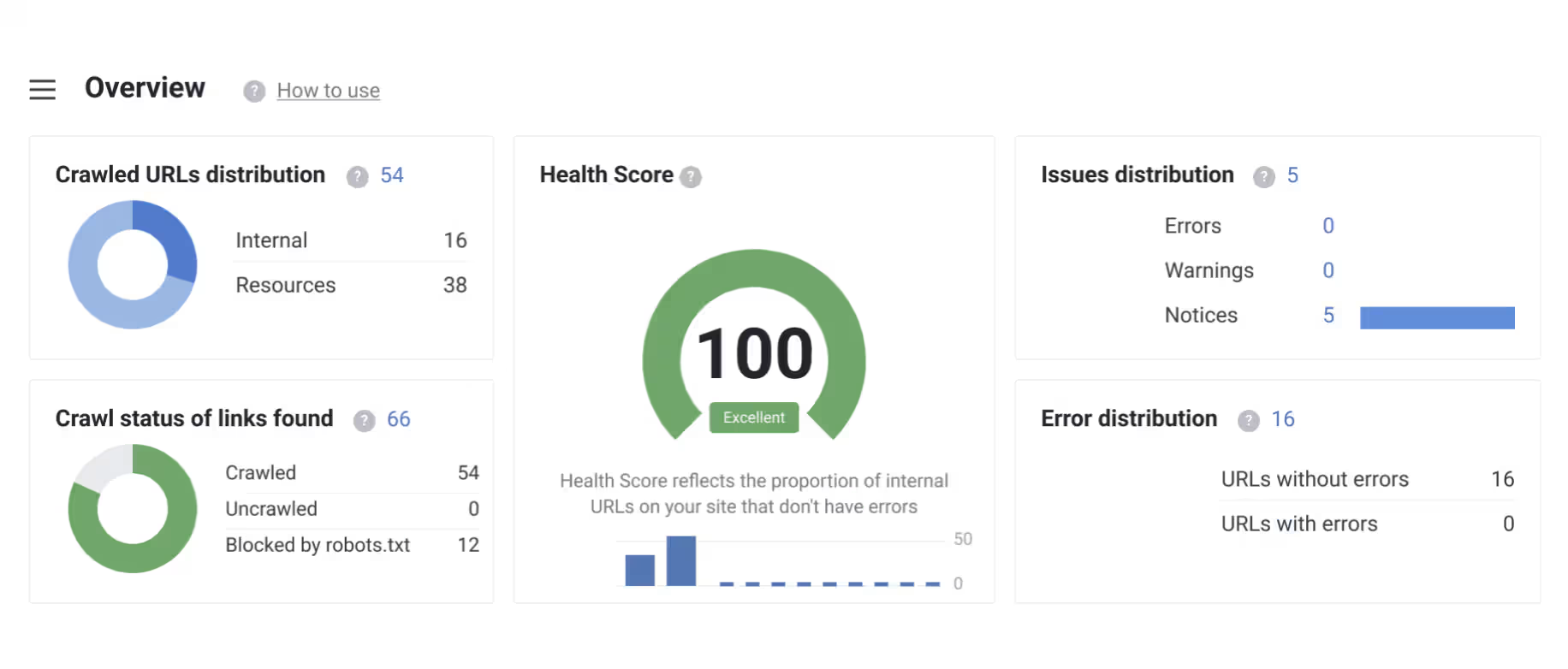
All 16 pages were optimized and submitted to Google Search Console for indexing. The store is new and ranking results will compound over months 4 to 8 as domain authority builds. The structural work is complete and verified.
Key Takeaways
- 1 Optimize collection pages before product pages on Shopify. Collection pages rank for the high-volume category terms. Product pages handle long-tail. Prioritize in that order and you spend effort where it generates the most traffic.
- 2 Audit for duplicate FAQ content across sibling collections. If you have multiple collections in the same product category, the FAQ blocks are almost certainly copy-pasted. This is one of the most common and most fixable issues on Shopify stores.
- 3 Inject schema manually, because Shopify’s defaults are not enough. CollectionPage, FAQPage, Organization, and WebSite schema all require manual JSON-LD injection via the theme. One afternoon of work with lasting impact on both rankings and AI Overview eligibility.
- 4 Map cannibalization before writing a single word of copy. Assign one primary keyword to one URL. Build the matrix. Then write the copy. Retroactive cannibalization fixes require re-optimizing live pages, which is far more expensive than getting it right from day one.
Related: Shopify SEO consulting. Guide: Collection Page SEO for Online Stores: A Practical Guide.
More results I can actually show you.

Technical SEO Case Study: Fixing a Shopify Store Before Google Crawled It
A new Shopify alt wine store was about to launch with broken canonical logic, a misconfigured GSC property, unverified 301 redirects, and zero schema.
Read full case study →
Jewelry SEO: How I Grew a Luxury Shopify Store to $175K/Month in Organic Revenue
A 16-month, first-person walkthrough of how I rebuilt a lab-grown jewelry Shopify store from an invisible catalog into a self-sustaining organic channel.
Read full case study →
Vape eCommerce SEO: 238% Organic Revenue Growth, Zero Paid Ads
This vape brand could not run a single Google or Meta ad. Organic search had to carry the whole business. Here is the Shopify SEO playbook.
Read full case study →